Cognitive Behavioral Therapy in North Riverside, Illinois
Serving clients in Broadview, Westchester, Brookfield, La Grange Park, Berwyn, Forest Park, Chicago, and throughout Illinois via telehealth.

Yes, It's Common. That's Because It Works.
If you've looked into therapy at all, you've probably heard of Cognitive Behavioral Therapy. It's one of the most widely used approaches in mental health treatment, which can make it sound generic. But there's a reason therapists keep coming back to it: it works, and the research behind it is substantial.
At Shift Counseling, PC, CBT is the foundation of how we work with most clients. That doesn't mean every session follows the same script. Our therapists use it as a starting point, then adapt it to who you are, what's keeping you stuck, and what you actually need to feel better. We see clients in-person at our North Riverside office and virtually throughout Illinois.
What Is Cognitive Behavioral Therapy?
Cognitive Behavioral Therapy is a structured, goal-oriented approach to therapy that focuses on the relationship between your thoughts, your mood, and your behavior. The core idea is that these three things influence each other constantly. When your thinking patterns become distorted or rigid, they can pull your mood down, which then shapes how you act, which tends to reinforce the original thinking. The cycle can feel impossible to break from the inside.
CBT gives you a way in. Here's what that actually looks like in practice:
Your therapist starts by helping you understand your own patterns, where your thinking tends to get stuck, and how those thoughts connect to what you're feeling and doing.
You learn to identify cognitive distortions: the automatic, often inaccurate thoughts that feel completely true in the moment but aren't.
You practice challenging those distortions, not by forcing positivity, but by learning to see situations more clearly and completely.
You develop coping skills you can actually use outside of sessions, so the progress you make in therapy starts showing up in your daily life.
Over time, you build the ability to regulate your own mood more independently, which is what makes the changes last.
CBT is not about telling you to "think positive" or invalidating the hard things you're going through. Some situations genuinely are difficult, and your negative feelings about them may be completely valid. A good Cognitive Behavioral Therapy counselor knows the difference between helping you gain perspective and pushing you toward a false sense of positivity that feels like gaslighting yourself. At Shift Counseling, PC, we don't do toxic positivity.
What Cognitive Behavioral Therapy Treats

Cognitive Behavioral Therapy is effective for a wide range of mental health concerns. Our therapists use it to work with clients who are navigating:
Common concerns
Life & relationships
Deeper work
How CBT Works at Shift Counseling
What to Expect
The first few sessions are about assessment and building the foundation. Your therapist will get to know you, understand what's going on, and work with you to set goals, both what you want to address and what you want your life to look like when things improve. From there, sessions have structure, but they're not rigid. We'll check in on how you're feeling, work through what's come up since last time, practice new skills, and build on what's starting to shift.
Our Approach
CBT is where most of our work starts. Depending on what's keeping you stuck, your therapist may also draw on:
Acceptance and Commitment Therapy (ACT)
ACT is a good fit when the goal isn't just to challenge difficult thoughts but to loosen their grip entirely. It helps you stay present, accept what you can't control, and act in ways that align with what matters to you, even when things are hard.
Learn moreMindfulness
Woven into both CBT and ACT work, mindfulness helps you slow down your reactions and notice what's happening in your mind before it spirals. It's a practical skill, not a concept.
Learn moreEMDR Therapy
When chronic mental health struggles appear to have roots in unresolved trauma, including the kind that doesn't look like a major event but has been grinding at you for years, EMDR may be the right next step. Our EMDR-trained therapists can help you identify and process what CBT alone may not fully reach.
Learn moreBuilding Trust First
Even with a structured approach, therapy has to feel right before it can work. At Shift Counseling, we put real effort into matching you with a therapist who has experience with the concerns you're facing, and, whenever possible, someone who understands your cultural background. You shouldn't have to spend your sessions explaining context that a therapist should already get.
Our therapists take judgment and shame out of the equation. When you feel genuinely supported, and when the changes feel right for you rather than imposed on you, you're more likely to actually make them.
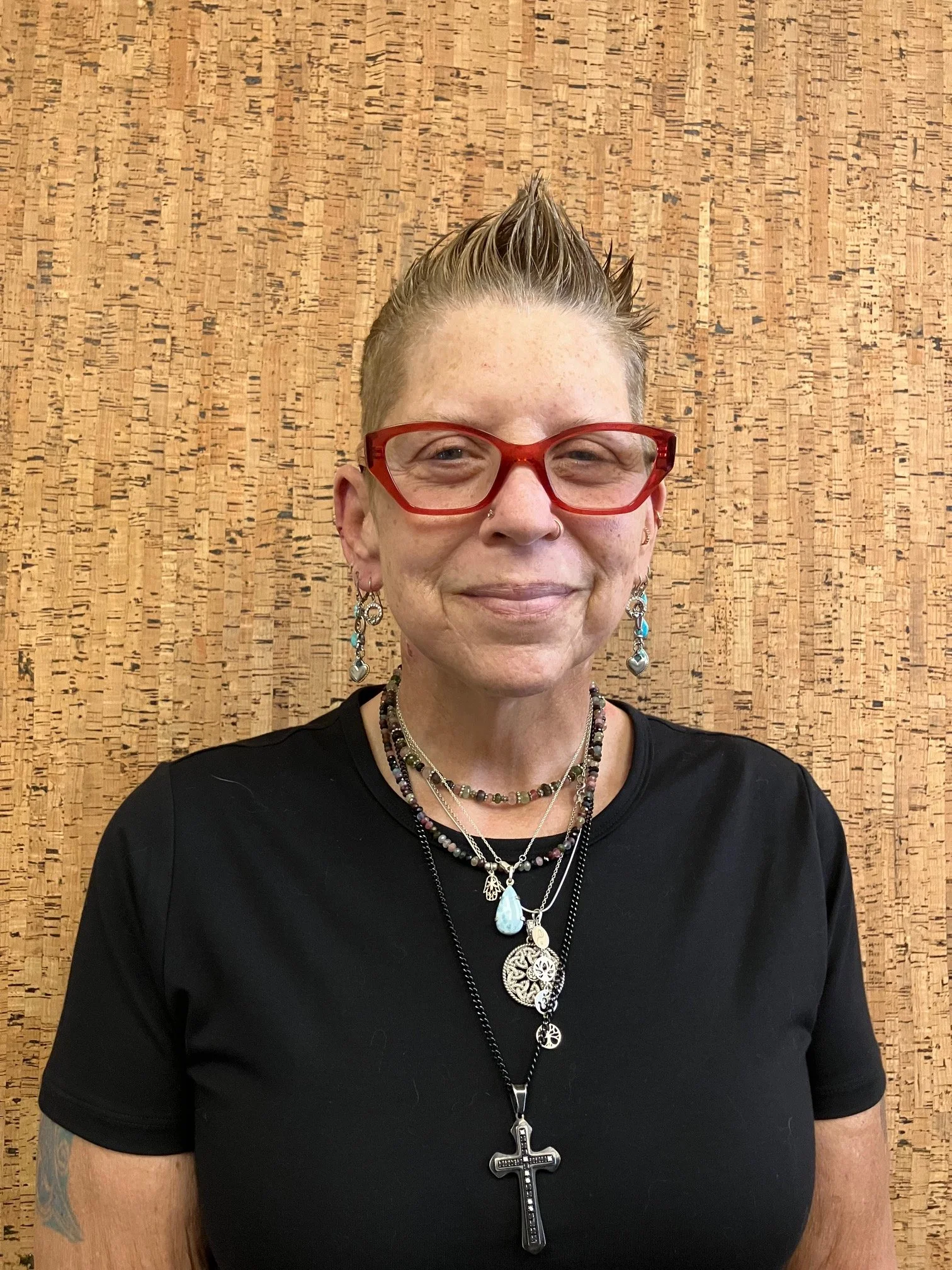
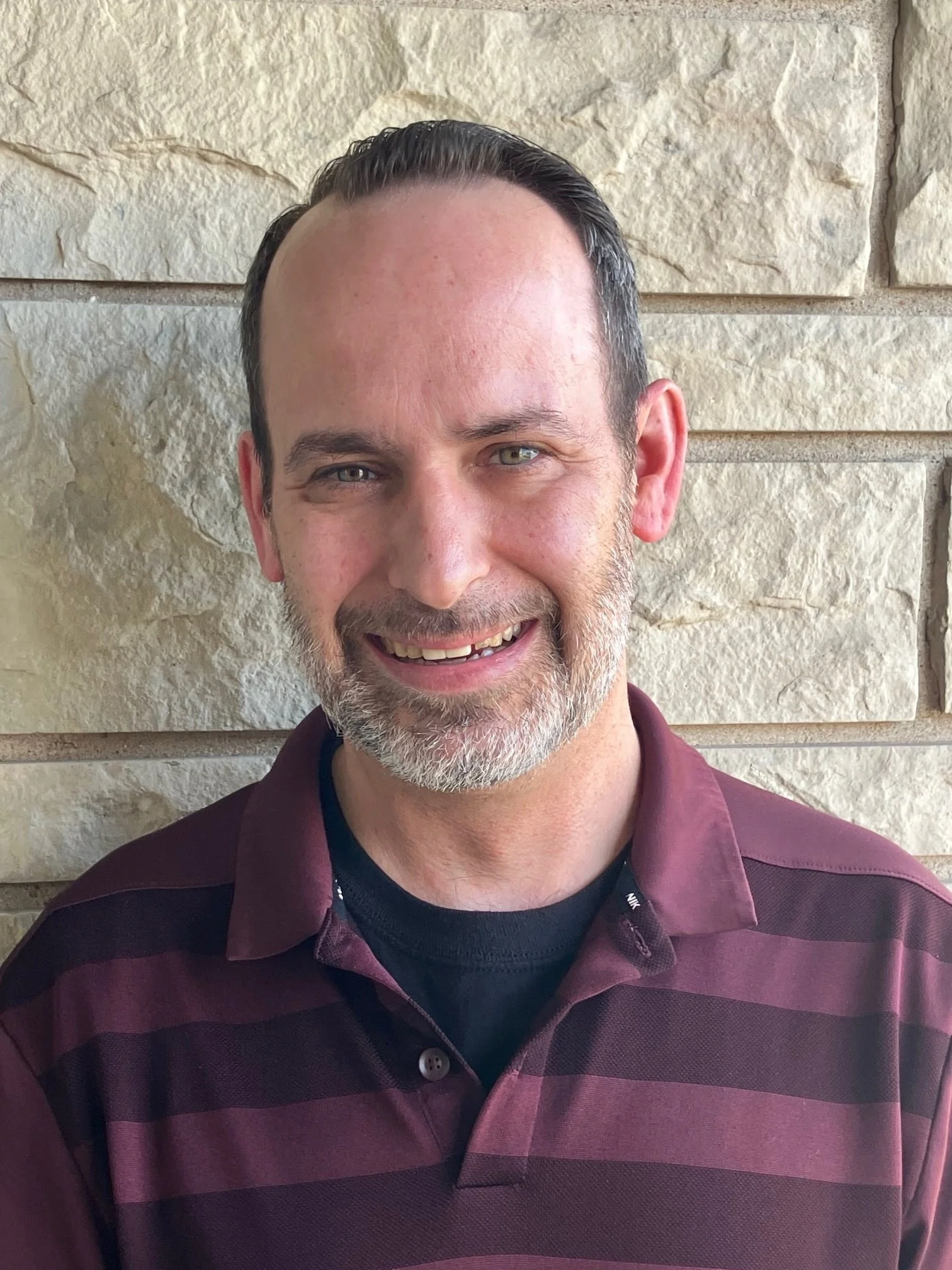
Meet Your CBT Specialists
Our therapists are trained in CBT, but more importantly, they know how to adapt it. This is not chatbot therapy. You won't get a formula applied to your symptoms. You'll get a real person, from a real background, who takes the time to understand your layers, your context, and what's actually going to move the needle for you.
Noel Cordova and Vivian Estrada are bilingual counselors who provide therapy in both English and Spanish.
-
![Nicole Powell, LPC is a counselor at Shift Counseling, PC]()
Nicole Powell, LPC
Nicole specializes in anxiety, depression, body image, and life challenges for adults. Her approach is collaborative and active: she's not just there to listen, but to help you get unstuck. Nicole draws on CBT, Acceptance and Commitment Therapy, and mindfulness, and integrates Polyvagal theory to help clients understand how the nervous system connects to mood and behavior. She sees clients in-person at our North Riverside office and virtually throughout Illinois.
-
![experienced social worker at Shift Counseling, PC]()
Amy Stuart, LCSW
Amy specializes in using CBT to help teens, young adults, and adults overcome stress, anxiety, depression, and trauma related issues. Amy can help you identify patterns of negative thinking and find better ways to cope. She sees clients in person at our North Riverside office and virtually throughout Illinois.
-
![Patrick Rossi, LCSW therapy for men]()
Patrick Rossi, LCSW
Patrick uses Cognitive Behavioral Therapy to help teens, adults, and young adults find relief from depression, anxiety, stress, and trauma related issues. Patrick sees clients on Friday afternoons and Saturdays, online or in person.
-
![Noel Cordova, LCPC, CADC at Shift Counseling, PC]()
Noel Cordova, LCPC, CADC
Noel specializes in depression, anxiety, trauma, and recovery counseling for adults and teens. He's a bilingual therapist who works in both English and Spanish, and as a male therapist, he brings a particular understanding of the barriers men often face in seeking support. Noel uses CBT and EMDR, along with mindfulness techniques, and has extensive experience working with adolescents who are hard to engage. He sees clients in-person at our North Riverside office and virtually throughout Illinois.
-
![Vivian Estrada, LCPC at Shift Counseling, PC]()
Vivian Estrada, LCPC
Vivian specializes in depression, anxiety, trauma, and stress counseling for adults and teens. She's a bilingual therapist who works in both English and Spanish. She uses CBT to help her clients get unstuck and find peace again. She sees clients in-person at our North Riverside office and virtually throughout Illinois.



Is Cognitive Behavioral Therapy Right for You?
CBT tends to be a strong fit for people who want to understand their own patterns, not just feel better temporarily. It's not passive. The work happens in sessions, but it also happens between them.
This might be the right fit if:
You notice the same thought spirals showing up again and again, and you can't seem to stop them
You know, on some level, that your thinking is contributing to how you feel, but you don't know what to do with that
You've tried to "think positive" and it hasn't helped, or it feels like you're dismissing your own experience
You're living with anxiety or depression that's manageable enough to function but exhausting enough that you know something needs to change
You've been through something difficult and it's still affecting how you see things
You want practical skills, not just a space to vent, though that's part of it too
If you're not sure CBT is the right approach for you, that's actually a great thing to bring up in a free consultation. You can ask whatever you want and decide for yourself.
Getting Started
Taking the first step is often the hardest part. Here's how it works at Shift Counseling, PC.
-
Request a Free Consultation
Schedule a brief 15-minute phone or video call with one of our men therapy specialists. This gives you a chance to share what's going on, ask questions about how therapy works, and see if we're a good fit. No pressure, no commitment.
-
Schedule Your First Session
If we're a match, we'll get your first appointment on the calendar. Choose between in-person sessions at our North Riverside office or virtual sessions from anywhere in Illinois. If you're already confident we're the right fit, you can skip the consultation and book directly.
-
Start Making Progress
In your first session, your therapist will get to know you, understand what's bringing you to therapy, and start building a plan together. You don't need to arrive with everything figured out. That's what we're here for. Get started today!
We accept BCBS PPO, Blue Choice PPO, Aetna, Cigna, First Health, MyBlue Plus, and Lyra EAP. FSA/HSA/HRA cards are also accepted.
FAQs
-
Cognitive Behavioral Therapy is a structured, evidence-based approach that focuses on the connection between your thoughts, feelings, and behaviors. Rather than exploring your past extensively, CBT focuses on what's happening now: what patterns of thinking are contributing to how you feel, and what you can do differently. Your therapist helps you identify distorted thinking, develop more accurate and flexible ways of seeing situations, and build coping skills you can use on your own.
-
CBT has strong research support for treating anxiety, depression, PTSD, and stress-related concerns, among others. At Shift Counseling, PC, our therapists use CBT with clients navigating everything from persistent worry and low mood to trauma recovery, life transitions, and recovery support. If you're unsure whether it applies to what you're going through, that's a good question for your first consultation.
-
Your first session is mostly about getting to know each other and starting to understand your situation. Your therapist will ask about what's brought you in, your history, and what you're hoping to get out of therapy. You'll also start to talk about goals. Most first sessions are 45 to 60 minutes. There's no pressure to have everything figured out before you come in.
-
CBT is more structured and goal-directed than traditional talk therapy. Sessions typically follow a loose agenda: checking in on how you're doing, reviewing any between-session work, and focusing on a specific skill or pattern. That said, there's still room to process what's happening in your life. The structure is there to make the time more useful, not to rush you.
-
It depends on what you're working on. Some people notice meaningful shifts within the first several sessions. A typical course of CBT might run anywhere from a few months to longer, depending on your goals and how complex the concerns are. Your therapist will check in regularly to make sure the work is actually moving you forward, and the plan can always be adjusted.
-
CBT is designed to teach skills you keep using after therapy ends. The goal isn't just to feel better during treatment but to build the kind of understanding and habits that hold up over time. People who engage fully with the process, including practicing between sessions, tend to see longer-lasting changes in how they feel and function.
-
CBT is a strong foundation, but sometimes other tools are needed. If you've already done a lot of cognitive work and still feel stuck, your therapist might bring in Acceptance and Commitment Therapy, mindfulness practices, or EMDR therapy, particularly if there's unresolved trauma that's keeping things in place. The approach always follows the person, not a preset formula.
-
Yes. We offer in-person therapy at our North Riverside, Illinois office and virtual sessions throughout the state of Illinois. Many clients in Broadview, Westchester, Brookfield, La Grange Park, Berwyn, Forest Park, and Chicago come to us both ways.
-
Our therapists hold licensure as Licensed Professional Counselors (LPC) and Licensed Clinical Professional Counselors (LCPC) in Illinois. Noel Cordova also holds a CADC credential for addiction counseling. All of our therapists are trained in CBT and practice evidence-based approaches.
-
Yes. What you share in therapy is confidential, with limited exceptions required by law, including situations involving risk of harm to yourself or others, or in cases involving the abuse of a child or vulnerable adult. Your therapist will review confidentiality and its limits with you at the start of treatment.
-
We see clients by appointment only. Please provide at least 24 hours notice if you need to cancel or reschedule. Missed sessions without 24-hour notice are subject to a $50 fee.
Ready to get started?
Request an appointment or schedule a free 15-minute consultation to ask questions and figure out if we're the right fit.
Recent Posts